Smoke Control Areas : Rules & Restrictions Explained
A Smoke Control Area (also known as a smokeless zone) is a designated area where only certain fuels can be burned to reduce air pollution. These areas are set by local councils under the Clean air act, and burning unauthorised fuels can lead to fines. The rules and restrictions explained here will help you understand what fuels are permitted and how to comply with the regulations. If you live in a smoke control area, you must use approved smokeless fuelsor burn seasoned wood with a moisture content of 20% or less in a DEFRA-approved stove.
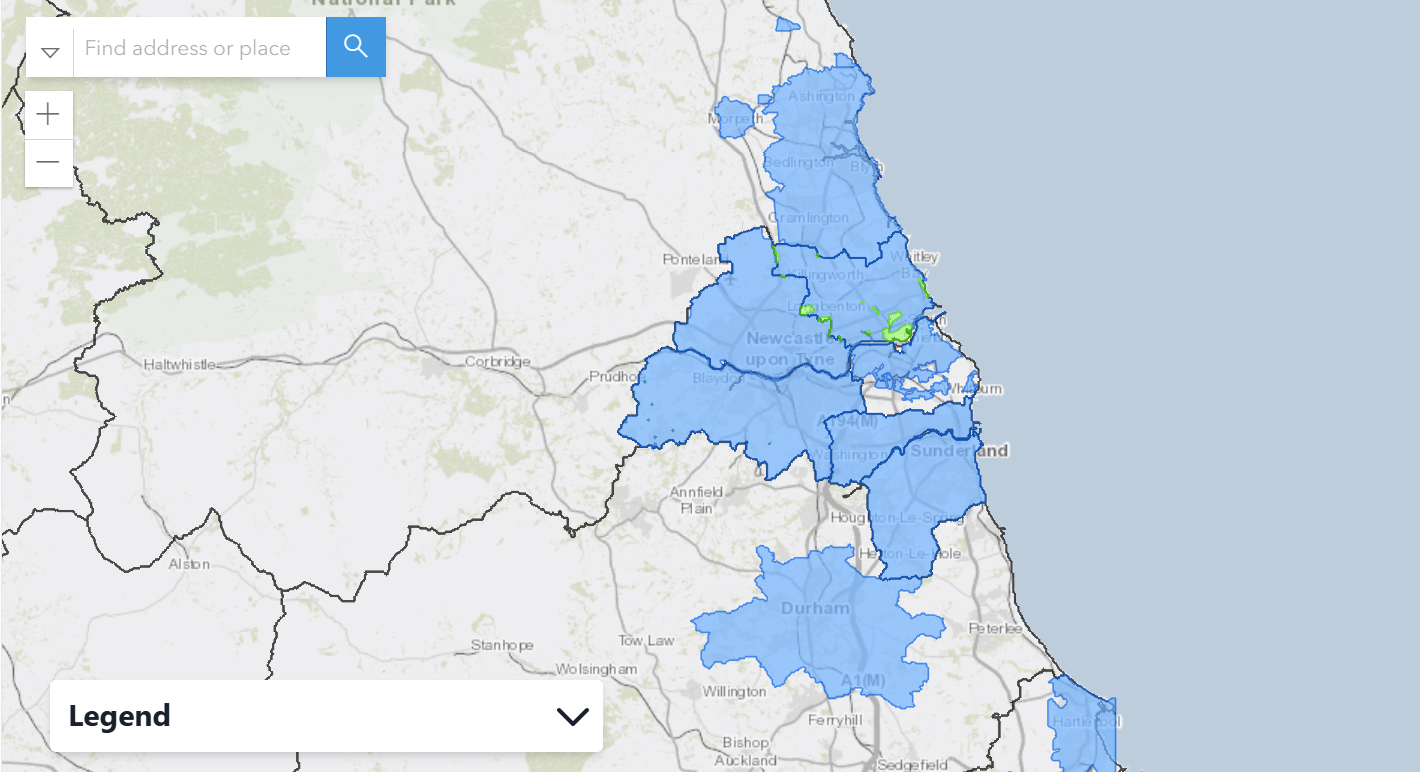
Smoke control areas in the North East
What Can and Can’t Be Burned in a Smoke Control Area?
If you live in a Smoke Control Area, you must follow strict rules about what fuels you can burn to reduce air pollution. Using unauthorised fuels can result in fines, so it’s important to know what’s allowed.
✅ Fuels You Can Burn:
Smokeless coal – Only approved varieties, such as anthracite or manufactured smokeless briquettes, which produce minimal smoke and burn efficiently.
Kiln-dried or well-seasoned wood – Allowed only when burned in a DEFRA-exempt stove, as these stoves are designed to burn wood more cleanly and efficiently. Firewood must have a moisture content of 20% or less to reduce smoke and tar buildup.
Approved solid fuels – Some manufactured solid fuels are authorised for use in smoke control areas. You can check the UK government’s list of authorised fuels to be sure.
❌ Fuels You Can’t Burn:
House coal – Traditional coal releases too much smoke and is banned in smoke control areas.
Wet or unseasoned wood – Wood with high moisture content burns poorly, producing excess smoke, tar, and creosote, which can damage your chimney and increase fire risk.
Waste or treated wood – Burning painted, varnished, or chemically treated wood releases toxic fumes that can harm your health and the environment.
Rubbish or household waste – Plastics, paper, and general waste are never safe to burn, as they release harmful pollutants and damage your appliance.
Why You Can’t Burn Certain Fuels
Burning the wrong fuels leads to increased particulate matter (PM2.5 and PM10), which are tiny airborne particles that contribute to poor air quality and respiratory issues. Wet wood and house coal produce thick smoke and tar, which can:
Increase air pollution – Fine particles from smoke can stay in the air for hours and are harmful to breathe in.
Clog up chimneys and liners – Excess soot and creosote buildup can restrict airflow and lead to dangerous chimney fires.
Damage your stove or appliance – Tar and acidic deposits corrode metal components and reduce efficiency.
Cause health problems – Particulate pollution is linked to asthma, lung disease, and other respiratory conditions.
Understanding the rules and restrictions explained for smoke control areas ensures compliance with regulations and promotes better air quality. Residents in the North East must adhere to these guidelines to reduce air pollution and maintain a safer, healthier environment. By using authorised fuels, you’ll not only comply with rules and restrictions but also ensure your stove operates efficiently, your chimney stays clean, and your home remains safe.
